Tuesday, 29 April 2014

Music Review April 2014

My favourite albums and songs from April.

Albums

Honourable Mentions: Do To The Beast - Afghan Whigs, Salad Days - Mac deMarco, Pinata - Freddie Gibbs and Madlib

5. More Than Any Other Day - Ought

Avant-Garde Art Punk which maintains an endearingly sophisticated, Pavementesque song structure while bursting with social angst and a frenetic energy. An enjoyable surprise that seeped in from Canadian ambiguity.

4. Under Color of Official Right - Protomartyr

An intelligent, occasionally chaotic synthesis of Indie Rock and Post-Punk. Alternating commendably from seering noise to meditative, bass-guitar fronted pieces, its best attributes are its consistency and variety.


3. Built on Glass - Chet Faker

The only none Punky album out of the five is a lovely mix-up of R&B and Jazz. Murphy's lavish vocals, situated somewhere on the 'heavenly spectrum' between Usher and Miguel, are underscored by minimalistic, pristinely arbitrated production work.


2. Rented World - The Menzingers

My favourite Punk album of 2012 was The Menzingers' On The Impossible Past, a nostalgic, deeply moving, roaringly dancey ode to teenagehood. Rented World isn't as instantly gripping, but it is stockpiled with histrionic riffs, chantalong choruses, and offers a genuinely profound rumination on the nature of mortality.


1. The Future's Void - EMA

Tackling issues of Post-Humanism, social disconnectedness, over-dependence on technology etc, Anderson can't be accused of under-reaching. She condemns everything from the NSA to selfie culture, and doesn't pull any punches in directing it at me, you, even herself. It is an incredibly powerful listen, accentuated by cavernous percussion, screeching synths and a pensive piano.


Songs

1. Talk is Cheap - Chet Faker
2. 3Jane - EMA
3. When You Died - The Menzingers
4. Habit - Ought
5. To Me - Chet Faker
6. Brother - Mac deMarco
7. In Remission - The Menzingers
8. Harold's - Freddie Gibbs & Madlib
9. Satellites - EMA
10. What The Wall Said - Protomartyr

Monday, 14 April 2014

Over-analysing 10 Disney and Pixar films

Ratatouille: The prototypical capitalist rags-to-riches narrative. Remy the rat casts off the shackles of the proletariat’s perpetual squalor and existentially tedious cyclicality. Through hard work and natural talent he achieves his dream of becoming an enormously successful chef, BUPA member, and Tory voter, despite his ethically dubious upbringing.

'I don't pay my taxes for you to spend your benefits on disposable income'

Dumbo: Dumbo is repressed by his mother’s fiercely conservative, bourgeois values; this is only aggravated by their quasi-oedipal relationship (see also, Bambi). When timid Dumbo discovers psychoactive drugs he feels spiritually liberated and self-confident, believing that he can in fact fly away from his poisonous mother. Tragically, he moves onto heroine and his life spirals out of control. In a state of paranoia he believes he’s being chased by eyeless pink elephants, and he owes serious money to some jive-talking crows.

A Bug’s Life: An allegory for Pixar’s strained relationship with Disney at the time of release. The ants’ self-sustaining economy and naturally exuberant Arts culture is undermined by the oppressive, nihilistic grasshoppers. The ants fight back with wit and creativity, against the grasshoppers’ bluntforce brutality. The ruthless Machiavellian grasshopper leader, Hopper, isn’t dissimilar to Disney’s (then) CEO, Michael Eisner.

The Little Mermaid: A heavily sexualised, extremely rapid progression from childhood, through puberty, and into womanhood, while being homogenised by a patriarchal society. Ariel rejects the singing sea creatures which symbolise her childish innocence after her fascination with human (or adult) culture consumes her. With human legs she becomes more informed and more adjusted to life’s realities, and the sacrifice of both her tail and voice for a man represents the final loss of innocence, her virginity and independence respectively.

'The wedding main course will be Sebastian thermidor'

Finding Nemo: A scathing indictment of the incompetence of our judicial system in confronting missing persons cases, particularly missing children. Marlin’s son, Nemo, vanishes, and literally noone in his mawkish suburban community cares. There is no police investigation, no widespread publicity, Marlin (who is clearly still suffering from PTSD after losing his wife and hundreds of  kids) is left to his own devices; apart from the hindrance of a fish with a life-threatening case of short-term memory loss.

The Aristocats/Lady and the Tramp: At face value these classics might appear to convey that love transcends class, race, everything. That the snobbish, middle-class teacosy can fall for the streetwise, jazz-loving Jack Kerouacat, because love is wonderfully obdurate, and miraculously inexplicable. But they aren’t. They’re about how men, of all species, are sadistic misogynists who steal the hearts of benevolent women with a banterous witticism and a false promise, before vanishing into the night of inevitability. Watch them again. There’s nothing behind the eyes of O’Malley (2nd generation Irish-American, says it all) and Tramp. Nothing.

Monsters University: A startlingly pertinent commentary on British Uni-Lad culture. The Scare Games represent the implicit competition between these tribalistic friendship groups (the collective noun for lad is, incidentally, a ‘Cloud’) in various areas; predominantly drinking and anonymous sex. Interestingly, the inclusion of a Goth and all-female group suggests that Lad culture isn’t restricted to narcissistic males, but encompasses all cliques, even Sully and Mike’s outcast group.

Frozen: A didactic tale of the internet, brimming with astonishing archetypes. The inherent disconnectedness of the internet allows introvert Elsa the freedom to be herself, to ‘let it go’, but this culminates in adversity, exposing her for the emotionally volatile Tumblr girl she is. Olaf’s irrepressible magnanimity connotes the excessively quirky/bubbly archetype who delight in 37 selfies of teletubby onesies, while Hans’s sham love for Anna deduces the Catfish, and there’s even trolls. Anna’s stubborn conviction in absolutely everything evokes the faux-outraged, permanently opinionated moraliser. She’s also on a horse at one point, so she can’t even get off her high horse.

#Friends #CatchingUp #SnowFilter

Up: Following the death of his wife Ellie, Carl begins taking hallucinogenic drugs to fight off his increasingly deep depression. With his imaginary friends: giant birds: talking dogs: chubby Korean boyscouts, he traverses jungle in search of the ideal of tranquillity he and Ellie had been searching for, from the safety of his mouldy sofa. Pixar leave the implications of Carl’s escapism ambiguous, but the unsettling optimism of the ending suggests he’s been institutionalised in a psychiatric hospital and is under constant anaesthetic.


The Hunchback of Notre Dame: Ugly people aren’t a complete irrelevance to society, but only just. This isn’t overanalysis, watch it again, this is actually fairly explicit. Urgh.

Friday, 28 March 2014

Music Review March 2014

My favourite songs and albums from March.


Albums

Honourable Mentions: Eagulls - Eagulls, Teeth Dreams - The Hold Steady, Mess - Liars


5. Best of Times - My Sad Captains

A pleasant, pretty crossover of pop and electronic. Intricately developed arrangements complement an oddly pertinent commentary on social media consumption.


4. Singles - Future Islands

A commendably consistent series of synth-pop classics. The tunes are great, but it's Herring's voice which really lingers; a low-key howl providing each track with an unsettling power.


3. Say Yes To Love - Perfect Pussy

Behind the obviously attention-grabbing bandname lies one of the most exciting new acts in post-punk. The collaboration between searing abrasion and twisted melody is enormously impressive.


2. Here and Nowhere Else - Cloud Nothings

One of my favourite current Indie Rock bands return with a record that possibly defeats their magnificent Attack on Memory. Behind the angst-driven riffs and chantalong choruses is a Dylan Baldi disillusioned with disillusionment. Brilliantly, he's optimistic about finding self-satisfaction.


1. Lost in the Dream - The War on Drugs

The title is a more-than-adequate description of listening to the album. It's simply gorgeous. It's drenched in galactic synths, whimsical guitars and irrepressible keyboards and all the space you need to absorb it. There's love songs, pain songs, and songs about being really, really unsure about everything, but you'd be forgiven for enjoying yourself too much to listen.


Songs

1. I'm Not Part of Me - Cloud Nothings
2. Burning - The War on Drugs
3. Light House - Future Islands
4. Nerve Endings - Eagulls
5. Eyes to the Wind - The War on Drugs
6. Interference Fits - Perfect Pussy
7. Spinners - The Hold Steady
8. Psychic Trauma - Cloud Nothings
9. Primitive - Real Estate
10. All Times Into One - My Sad Captains

Sunday, 2 March 2014

Favourite Albums/Songs of January/February 2014

A brief list of my favourite music so far this year. One note: February has been much, much better than January.

January

Albums

Honourable Mentions: Total Strife Forever - East India Youth, Sun Structures - Temples, Fuck Off Get Free... - Thee Silver Mt. Zion...


5. Dirty Gold - Angel Haze

A momentous crossover to the mainstream for Angel Haze; one which she almost pulls off. Although not as concise and hard-hitting as her debut mixtape, the ambition, instrumentally and structurally, is impressive.


4. Rave Tapes - Mogwai

The Glaswegian Godfathers of post-rock return with a record which compounds their unfaltering consistency. Not a massive leap forward, but atmospheric, unsettling and even terrifying.


3. Beyonce - Beyonce

A delicately understated release from arguably the biggest pop star of the last decade. Intelligent and immaculately crafted, but it still has time for at least two gargantuan love anthems.


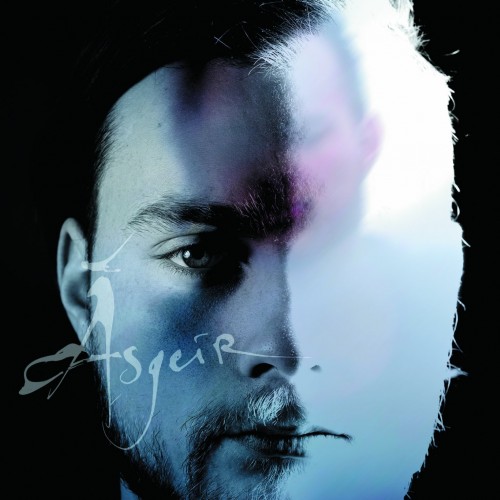
2. In the Silence - Asgeir

A thought-provoking, pretty, particularly Icelandic amalgamation of James Blake and Bon Iver. The perfect revision music. You'll love it. 


1. Transgender Dysphoria Blues - Against Me!

It's smart punk, but it's also one of the most emotionally charged, deeply personal rock albums I've heard in years. A haunting, ferocious expose of social castigation.


Songs

10. Sun Structures - Temples
9. Deep Sea Diver - Angel Haze
8. Drinking with the Jocks - Against Me!
7. Remurdered - Mogwai
6. Dripping Down - East India Youth
5. Boss Ass Bitch (Remix) - Nicki Minaj
4. Higher - Asgeir
3. Transgender Dysphoria Blues - Against Me!
2. XO - Beyonce
1. Head in the Snow - Asgeir


February

Albums

Honourable Mentions: Little Red - Katy B, Dead - Young Fathers, Blank Project - Nenah Cherry


5. Oxymoron - Schoolboy Q

It's not quite Habits And Contradictions, but it's damn close. The best Hip-Hop album of the year so far; a razor sharp wit supplemented by excellent production.


4. Burn Your Fire For No Witness - Angel Olsen

A country-rock album with a troubled, tender soul, and a reservedly vulnerable heart. As grungey as it is touching.


3. St. Vincent - St. Vincent

Although, in my opinion, not as good as Cruel Mercy, this is still a fantastic dose of pop-mediated social commentary. Catchy and lyrically wonderful, it is immensely difficult to fault it technically.


2. Benji - Sun Kil Moon

Magnificently unpretentious; Kozalek doesn't recount elaborate metaphors or abstruse allegories, just anecdotes. We grasp significance in what we take from each track, only abled by his achingly emotive drawl.


1. Present Tense - Wild Beasts

The Line Of Best Fit deems it to be the 'most intelligent, involving and profound record since OK Computer'.  A controversially bold claim for any major music site, for me especially considering OK Computer is my 2nd favourite album. The staggering quality of Present Tense means I genuinely debate with myself whether The Line of Best Fit could be right.


Songs

10. RIP Kevin Miller - Isaiah Rashad
9. Mecca - Wild Beasts
8. Weightless - Neneh Cherry
7. Man of the Year - Schoolboy Q
6. Digital Witness - St. Vincent
5. Dance Slow Decades - Angel Olsen
4. Carissa - Sun Kil Moon
3. Get Up - Young Fathers
2. Ben's My Friend - Sun Kil Moon
1. A Dog's Life - Wild Beasts

Monday, 27 January 2014

12 Years a Slave Review


After the provocative, gripping, emotionally draining Hunger, and the mordant, pessimistic, emotionally draining Shame, you’d think Steve McQueen and regular muse Michael Fassbender would like to work on something fluffier, and far less misanthropic. Instead they’ve made 12 Years a Slave, a film which makes their earlier collaborations look like Pixar’s depiction of Utopianism.

Emotionally draining isn’t really an appropriate description for 12 Years a Slave. It’s more like thrusting your faith in mankind through a meat grinder and then having Bruce Forsyth make a joke about it on national television.

The story of Solomon Northup (Chiwetel Ejiofor) is indomitably tragic; a free man, with relative wealth and a loving family, he’s duped and kidnapped by two ‘entertainers’. He finds himself in chains and traded from plantation to plantation through America’s barbaric South for twelve years before realising his freedom.

One of its greatest strengths is its humble presentation. For all its abhorrent imagery and zealous inhumanity McQueen, significantly, never overdoes it. It’s categorically uncompromising, yes (one scene will make sure you never think about ‘getting lashed’ in the same way again), but it never feels heavy-handed or ham-fisted because every set-piece and each line of dialogue contributes to the progression of the narrative. Its message is of course obvious, but it doesn’t feel like a lecture; there are no eye-rolling, throwaway lines like ‘but it’s just not fair!’ The pathos functions the story, rather than the gauche inverse. For a film dealing with a subject of such substantial importance it’s tremendously difficult to avoid some hint of contrivance, something even Spielberg couldn’t avoid in Schindler’s List, so McQueen really is to be applauded.

Secondly, its arresting cinematography is at once desolately beautiful and frighteningly lurid. It’s as if Terence Malick photographed a horror film. It’ll cut from a vivid tracking shot, brimming with greens and yellows, through the Georgian swamp, to a framed close-up of Solomon’s hallowed, greyed complexion. One of the film’s most disturbing sequences involves Solomon, about to be hung from a tree, standing on his toes and spluttering and gargling in the most grotesque manner, while the rest of the slaves go about their daily routine; as he wheezes gutturally children laugh and play not twenty yards behind him.

McQueen also makes effective use of motifs throughout. An opening scene sees a jovial Solomon play fiddle with a triumphant smile at a dance in Saratoga, his hometown. Ninety minutes later the scene mirrors itself with Solomon as a slave; this time, there is only the look of forlorn despair. Music is frequent, whether it’s gospel singing while picking cotton or soundtracking a slave sale with a violin. Music is the slaves’ escape from the insufferable truth of their existence, their last form of expressionism and individuality, the last beacon of their selfhood.

Ejiofor, like McQueen, is excellent because he downplays Solomon. He is afflicted by sorrow, fear and disgust but in understating himself he provides his performance with a covert power, so that when Solomon does explode with frustration it is totally beguiling. It’s a master-class in body language; each forsaken glance, each anxious hunch develops Solomon into a character we are utterly immersed in. Benedict Cumberbatch and Brad Pitt are serviceable figures of twisted compassion towards Solomon, while Paul Dano, Paul Giamatti and Sarah Paulson are detestably malicious racists, and damn good at it. The highlight however is invariably Michael Fassbender in what is genuinely one of the best performances I’ve ever seen in film. He plays the predominant plantation owner, a man of intoxicating malevolence, to perfection. Even though he is a psychotic sadist, an antipathetic rapist, and possesses a perplexing God complex, he is bitterly plagued by self-loathing to the point of insanity. The man is so evil he’s practically a caricature. And Fassbender is completely convincing as him. He grounds him, as being horrifyingly believable, and in our nightmares. Behind his hollowly blue eyes there even lies the glimmer of self-consciousness, the smallest of suppositions towards some iota of humanity. He is one of the most terrifying villains projected onto our cinema screens in years without ever being definably villainous.


12 Years a Slave will leave you empty, its portrayal of slavery is abrasive, agonising and devoid of any trace of hope. It is also fantastically executed, fiercely intelligent and a work of immense, yet surprisingly unassuming, importance. I highly, highly recommend you see it.

Monday, 30 December 2013

25 Favourite Albums and Songs of 2013

I am genuinely busy with reading/summative-essay work, so I've just listed rather than write separate pieces for each. For this, I am deeply not sorry.

Favourite Albums

25. Doris - Earl Sweatshirt
24. Impersonator - Majical Cloudz
23. Government Plates - Death Grips
22. Dream River - Bill Callahan
21. My Name is my Name - Pusha T


20. Innocence is Kinky - Jenny Hval
19. Electric Lady - Janelle Monae
18. No Blues - Los Campesinos
17. Trouble Will Find Me - The National
16. Wondrous Bughouse - Youth Lagoon


15. Bones of What you Believe - CHVRCHES
14. Reflektor - Arcade Fire
13. You're Nothing - Iceage
12. Torres - Torres
11. Shadow of Heaven - Money


10. Anxiety - Autre ne Veut
9. Sunbather - Deafhaven
8. Tape Two - Young Fathers
7. Settle - Disclosure
6. mbv - My Bloody Valentine


5. Matangi - MIA
4. Obsidian - Baths
3. Old - Danny Brown
2. Modern Vampires of the City - Vampire Weekend
1. Southeastern - Jason Isbell


Favourite Songs

25. Come Walk with Me - MIA
24. Doin it Right - Daft Punk
23. Numbers on the Board - Pusha T
22. Wakin on a Pretty Day - Kurt Vile
21. Gun - CHVRCHES


20. Heavenfaced - The National
19. Domo 23 - Tyler, the Creator
18. Mephisto in the Water - Jenny Hval
17. Gonna Die - Autre ne Veut
16. Float On - Danny Brown


15. Sunday - Earl Sweatshirt
14. Goodnight London - Money
13. Afterlife - Arcade Fire
12. Honey - Torres
11. Hannah Hunt - Vampire Weekend


10. Comrade - Volcano Choir
9. Latch - Disclosure
8. Live Oak - Jason Isbell
7. Ebony Sky - Young Fathers
6. Black Skinhead - Kanye West


5. Ya Hey - Vampire Weekend
4. Song for Zula - Phosphorescent
3. Two Heavens - Death Grips
2. Bring the Noize - MIA
1. Hold on We're Going Home - Drake

Sunday, 20 October 2013

Mini Film Reviews #4

Like Crazy

Like Crazy is a precise, obdurate relationship critique, unconcerned with tedious elements such as sub-plots and distinct structural acts. It begins when Jacob and Anna’s story begins, and refuses to abandon its protagonists until its final, devastating shot. Drake Doremus directs confidently, slickly flitting between tones (it diverts from wistful romance to disillusioned passivity snag-free) with supreme assurance. He doesn’t recklessly jump from one time period to another, but glides; in one stunning scene-bridge, he uses various transitory images of the couple sprawled across their bed to represent an entire Summer of fairytale passion. There’s a grounded, immersive fluidity to its narrative. Felicity Jones and Anton Elchin are awesomely understated (their entirely improvised dialogue sucks you in), implementing a naturalism packed with subtle graces; longing glances, dispossessed sighs and Pinter Pauses ringing with perplexed fragility are abundant. Like Crazy certainly isn’t for everyone; many will be turned off by its pensive solemnity, its dragging pace and its self-indulgent schmaltz. Alternatively, those it does speak to, such as myself, will find something beautifully downplayed, intoxicatingly affectionate, and absolutely gut-wrenching; one of the best romantic dramas in years, a tribute to the indomitable connection formed in first love.

I think someone needs to tell them how to hold hands
Stoker


Stoker is the most Hitchcockian, Burtonesque film David Lynch never made. It’s disturbingly perverse, startlingly vindictive and utterly bizarre, but there’s a subversive poetry to Park’s first American film not confined to its dazzling visuals and inspired sound design; Park expresses a fascinating, almost philosophical indifference towards the family’s immorality. When India’s mysterious Uncle Charlie (a reference to the menacing villain from Hitchcock’s most underrated, Shadow Of A Doubt) emerges from the shadows of her family’s disquieting past, things progress from peculiar to unnerving rapidly. When the quasi-Freudian subtext of semi-incest in this serial-killer love triangle bubbles to the surface, it transgresses from unnerving into downright horrifying. Mia Wasikowska is the embodiment of cold detachment, her off-putting brattishness compensated for by her compelling idiosyncrasy so that she does, improbably, invoke sympathy. Nicole Kidman is also excellent; part noir-widow, part farcically restrained house-wife, part queen of explosive melodrama. Inevitably Matthew Goode is the most delightfully odd, a manifestation of smiling malevolence and searing blue-eyed psychopathy. Park employs a series of striking colours and sounds; an exuberantly lit spider and its catatonic crawl for example, which contributes to an increasingly pervasive atmosphere of dread and inexorable disaster. Despite not being the most cerebral work, it’s a joy to analyse, its mesmerising, ambivalent imagery and cinematography practically demanding repeat viewings. A psycho-sexual masterpiece, and possibly my favourite film of 2013. 

The prototypical uncle-niece relationship