Tuesday, 2 September 2014

The Scottish Labour Party: An Obituary


Whatever the result of the referendum on September 18th, Scottish Labour will never be the same. Over the past two years it has caused irreparable damage to its own reputation, estranging and insulting both its target middle-voters and its most loyal supporters. Many of the once proudly Labour Scottish left are divorcing themselves in favour of pastures new in the Scottish Greens, SNP and, curiously, UKIP.

Labour’s adamant, almost ruthless determination to remain with the union has come at an unprecedented cost. It is the only remotely left party which has sided with No, and its public image is inextricably linked with Tory politics; the policies of staying in the UK. One, potentially catastrophic, failure of Better Together has been their awful communication of No’s positive arguments. Labour, as not only an integral member of Better Together but its foreground, are seen as culpable in the ‘Bedroom Tax,’ NHS privatisation, welfare reform and food bank endorsement. They are considered ‘Red Tories,’ scoffing at the notion that life in the UK will only deteriorate without offering a whiff of a constructive alternative. The widespread feeling in Scotland is that this is a party very much centred, a party absent of the spirit of Keir Hardie, Clement Attlee and Aneurin Bevan, and many Labour voters have had enough.

Labour have reverted to scare tactics, and in many ways it has backfired considerably, the notorious #BTPatronisingLady TV advert being a recent example. By propagating fear and pessimism rather than countering Yes’s message of hope they have disenchanted No voters as well as Yes; voters who were expecting their individual campaigns for the UK to be supplemented by Better Together’s impassioned plea for union rather than thinly veiled threats over post-Independence. They are an incoherent, divided, contradictory mess, their empty promise of ‘further devolved powers’ in the event of No ringing hollow.

This in turn connotes one of Labour’s biggest weaknesses; an appalling lack of leadership. Starting from the top, Johann Lamont-SLP leader. After the SNP delivered on their manifesto of continued free higher education after their election in 2011, Lamont, a year later, publically condemned their policies in September 2012; parenthetically, condemning the dogma of a centre-left party. In her September speech she claimed that social democracy, a political structure similar to Norway’s, was impossible without higher taxes. Her tone was critical of the SNP, but this form of social democracy is a fundamentally Labour ideal. She then refrained to comment that such control of tax regulation would require further powers. This was one of the first major indications of her personal ineptitude, and her, and Labour’s, leftie retreat. A symbolic misstep which suggested that Scottish Labour’s politics were overtly Neo-Liberal. This has been fairly symptomatic of her guise for the past two years; delicately ironic Westminster subservience and resolute Holyrood disapproval. 

Onto Alisdair Darling, the face of Better Together. As Chancellor of the Exchequer for Gordon Brown’s three years as PM, he oversaw Britain’s financial collapse, backed excessive public funding to bail out a private firm (Northern Rock), and administered the 2008 Budget’s 10% income tax band, which many argue to be the first spark of recession austerity measures. Indeed, it was the 2008 Budget which initiated Labour cynicism for many voters. He was also, infamously, complicit in an expenses scandal in 2009 where he allegedly changed the location of his second home four times in four years, which provided him with the funds to furnish his Edinburgh house, and buy a London flat. 


Expanding on the theme of expenses frauds, we come to Jim Murphy, Shadow Secretary of State for International Development and one of BT’s most dedicated champions. In 2012 it was reported that Murphy was one of 27 MPs involved in an expenses row, after it materialized that he had been receiving income from rented properties in London while claiming £20,000 a year in expenses. Though not technically illegal, it triggered outrage that he, a supposed man of the people, was exploiting the Commons for profit while his constituents suffered severe austerity agencies. That he is also a Zionist, a passionate defender of the Iraq War, and that he never turned up to vote against the ‘Bedroom Tax,’ does not paint a favourable picture for Labour voters. The party and its public figures have lost the support, but more importantly the trust, of concrete Labour voters, regardless of their Indyref propensities.

Though they’ve injured their reputation with Nos, they’ve mutilated it with Yes’s. Lamont, Darling, Murphy, and the likes of Alistair Campbell and Douglas Alexander, refer to Yes supporters, with an empirical thoroughness, in the pejorative terms ‘nationalists’ and ‘separatists’. Social Media Yes supporters are ignorantly pidgeonholed as ‘cybernats,’ grouping each and every single Yes twitterer as seething, vile, angry low-lifes. No supporters are, incidentally, ‘patriots’. The word is representative of their general attitude towards Yes advocates. Through a calculated and collective demonization process, Labour have systematically alienated over half of their electors. Twenty years ago, most Yessers were dedicated Labour voters; now they’re told on a daily basis by their party’s major members that they’re deluded and ill-informed for aspiring to a true social democracy, and that they’re inherently sinister for wanting to break up the union. I doubt most Yes’s will forgive them unless there’s significant change after the referendum. I won’t.


If Scotland votes Yes, Scottish Labour has an opportunity to rebuild, reassemble, and possibly reassert itself as the workers’ dominant party; this, obviously, imports a comprehensive shake-up of personnel, a Labour Party befitting of Old Labour, but the current structure as we know it would be defunct. If Scotland votes No, Scottish Labour could in all likeliness fade into Lib-Dem obscurity, even its most centre-left devotees abjectly disillusioned with a party who have pitilessly betrayed their foundational principles to remain with the British establishment.

Friday, 29 August 2014

Music Review August 2014

My favourite albums and songs from August.

Albums

5. Green Language - Rustie

It's inconsistent, and lacks the titillating, razor-sharp ferocity of Glass Swords, but Green Language has more than its fair share of bangers to compensate. Some of the best bass-drops from electronic music in ages.


4. Bill Bruisers - The New Pornographers

A Pop group famous for their elaborate-yet-catchy tunes, Bill Bruisers just happens to be the gang's best album since 2005's Twin Cinema. It's loud, brash, and dissonant, but it's also very cool.


3. LOSE - Cymbals Eat Guitars

One of the best Indie-Rock records of the year, LOSE isn't a massive step forward for CEG; they're still as frenetic, complex, flawed and ingenius as ever. But, it's possibly their most focussed, and most personal (a moving eulogy for a dear friend).


2. They Want My Soul - Spoon

Spoon are admittedly one of my favourite bands, their Indie-Pop compositional wizardry matched only by their pervasive, laidback sense of fun. They Want My Soul shows them at their most serious and urgent, yet it works. It... it just works. They're great.


1. LP1 - FKA Twigs

Yeh, it's the cop-out choice as album of the month. Yeh, it's a major contender for AOTY for almost every single music criticism institution. So, it's hardly an original choice. But yeh, it's also an incredible journal of sexual neuroses and intimacies and deserves (nearly) every superlative tossed its way.


Songs

10. Manipulator - Ty Segall
9. Champions of Red Wine - The New Pornographers
8. Figure It Out - Royal Blood
7. New York Kiss - Spoon
6. Video Girl - FKA Twigs
5. Problem - Ariana Grande
4. Jackson - Cymbals Eat Guitars
3. Tuesday - Makonnen
2. Attak - Rustie
1. Two Weeks - FKA Twigs

Wednesday, 20 August 2014

'Get Hurt' - The Gaslight Anthem Review


The Gaslight Anthem’s critics have always painted them as a glorified Springsteen tribute band; a description I’ve always deemed unfair, until Get Hurt. Judging by their cavalier pre-release interviews, the band believed that the record would be their Kid A; it was ‘completely different’ from their discography and must consequently be progressive. In reality it is a concept album about Brian Fallon’s talent and utility which inversely suggests that TGA are a one trick pony, that they are at their best as a Springsteen tribute band.

The frenetic riffs and towering adolescent urgency of The 59 Sound-which is almost indisputably their best album-is extinct, replaced by thudding 80s hair metal guitars and lame The 1975-inspired synths. The song structure is equally generic; traditional verse-chorus-verse sing-alongs compose the vast multitude, although there’s one or two quieter ballads; also in verse-chorus-verse. The title track and lead single embodies this. It trundles on with Fallon mumbling some masochistic furrow about embracing love’s misery, supported by some truly insipid guitars. ‘Stay Vicious,’ another single, opens and expands thunderously, before its inevitable soft bridge discordantly implores sensitivity. The album’s all very loud but equally hollow. It just doesn’t work. For all its aggression and self-assurance it’s cartelised by a facetious lethargy. One track, ‘Rolling and Tumblin,’ even evokes Nickelback; just about the worst thing you could ever, ever do.

It doesn’t help that Fallon seems to have lost his sincerity; quite ridiculous considering he’s singing in first-person and that this is his ‘divorce album’. Although more composed vocally, Fallon is still the forlornly earnest romantic. He laments heartbreak, decries exes and venerates the pantheon of True Love. So far, so atypical Gaslight Anthem; his pleaful (slightly morbid) croon for a lover to ‘lie underground’ in ‘Underneath The Ground’ purports him at his most ironically idealistic; on ‘Ain’t That A Shame’ he has ‘tears in his eyeballs’ and ‘wine on [his] lips’; there’s a song called ‘Break Your Heart’; you get the picture. It’s lyrically inane, surprisingly two-dimensional, and is unsubstantiated by bland, technically clunky hooks. It’s nothing we haven’t heard before, especially when his mawkish dirges flirt with his overt yarns of love-tinted Americana, where the Springsteen references really come into their own. It’s the same ‘losing my virginity to my highschool sweetheart underneath the moonlight beside a Minnesota lake’ narrative we’ve been fed since 2007, only this time without Fallon’s tireless assiduousness to power it convincing. Less Gaslight Anthem more post-2009 Kings of Leon covering The River.

There are some good songs. ‘Helter Skeleton’ sells the band at three-quarters kineticism. ‘Underneath the Ground,’ although snortily soppy, is sweet, and a pleasant interval from the garage-done-poorly which surrounds it.

Hopefully this will soon be an irrelevant misstep, because ultimately Get Hurt is over-produced and under-written, a barely glamorous vacuum. I’m not saying Fallon shouldn’t try something new, whether musically or thematically; he most certainly should, but he shouldn’t lose his unbridled energy and ferventism in the process, even if it is rooted in States-specific nostalgia. After all, the Springsteen schtick still works for Frank Turner.

Monday, 11 August 2014

Music Review July 2014

My favourite albums and songs from July.

Albums

Honourable Mentions: The Voyager - Jenny Lewis, Complete Surrender - Slow Club, Futurology - Manic Street Preachers

5. Wild Onion - Twin Peaks

Some garage-tinged power pop underscored by a heartfelt sincerity. The quality of their punkier efforts varies wildly, but the melancholic slow-burners display a collage of teenage emotiveness woven by a surprising compositional maturity that is really quite delightful.


4. Alvvays - Alvvays

Lo-Fi pop evidently inspired by the likes of The New Pornographers. Alvvays are a little rough around the edges; but their unperturbed urgency, carried by Molly Rankin's kinetic vocals, shine.


3. 1000 Forms of Fear - Sia

After years of commercially-unsuccessful-but-still-great LPs, writing great pop songs, and featuring on great pop songs, Sia is finally emerging into the foreground on a great pop album. The instrumentation on 1000 Forms is hardly introverted, with its rousing synths and cacophonous strings, but Furler's voice is gloriously gargantuan.


2. Lese Majesty - Shabazz Palaces

One of the most endearingly odd groups in Hip-Hop are back, and Lese Majesty is possibly their best work yet. The production is naturally idiosyncratic, pummelled by discordant beats and helter-skelter hooks, and the social satire remains as biting and entertaining as ever.


1. We Don't Have Each Other - Aaron West & The Roaring Twenties

This Folk-Punk blockbuster, the first thing to emerge from Wonder Years lead singer Dan Campbell's side project/alter-ego, Aaron West, is one of the most emotionally resonant albums of the year. A traumatising diary of depression, it is a sensationally powerful account of modern disconnection and loneliness. Lyricists don't come much better than Campbell.


Songs

10. The Voyager - Jenny Lewis
9. Fair Game - Sia
8. Marry Me, Archie - Alvvays
7. You Ain't No Saint - Aaron West
6. Suffering Me, Suffering You - Slow Club
5. Ordinary People - Twin Peaks
4. #CAKE - Shabazz Palaces
3. Divorce and the American South - Aaron West
2. Chandelier - Sia
1. No Black Person is Ugly - Lil B

Thursday, 3 July 2014

10 Favourite Albums & 20 Favourite Songs of 2014 So Far

Albums

10. The Future's Void - EMA
9. Burn Your Fire For No Witness - Angel Olsen
8. To Be Kind - Swans
7. Here and Nowhere Else - Cloud Nothings
6. Sea When Absent - A Sunny Day In Glasgow
5. Lost Tn The Dream - The War On Drugs
4. Home, Like Noplace Is There - The Hotelier
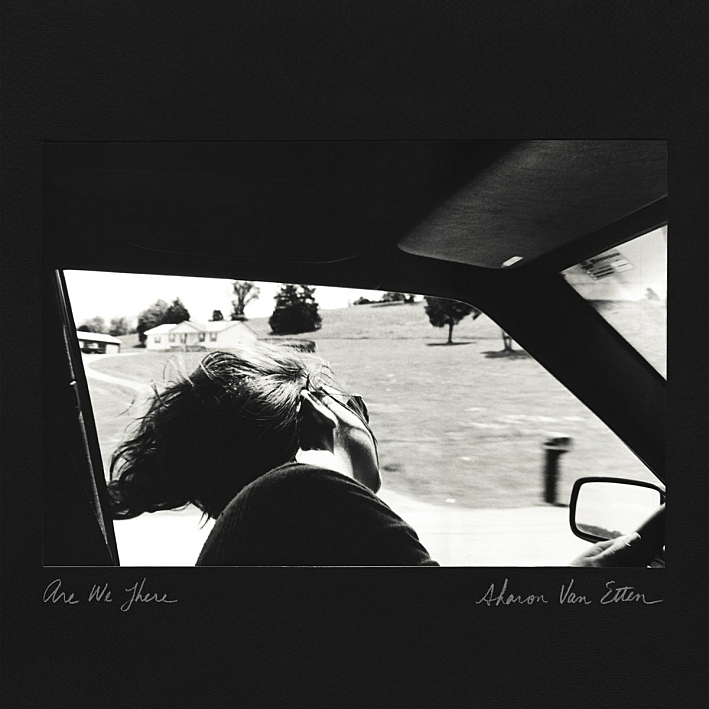
3. Are We There - Sharon Von Etten
2. Present Tense - Wild Beasts
1. Benji - Sun Kil Moon


Songs

20. The Riverbed - Owen Pallett
19. Face Again - How to Dress Well
18. Man of the Year - Schoolboy Q
17. Down It Goes - White Lung
16. Light House - Future Islands
15. Habit - Ought
14. Transgender Dysphoria Blues - Against Me!
13. Thuggin - Freddie Gibbs & Madlib
12. Your Deep Rest - The Hotelier
11. Water Fountain -Tune-Yards
10. Talk is Cheap - Chet Faker
9. In Remission - The Menzingers
8. In Love With Useless - A Sunny Day in Glasgow
7. XO - Beyonce
6. 3Jane - EMA
5. Get Up - Young Fathers
4. Ben's My Friend - Sun Kil Moon
3. A Dog's Life - Wild Beasts
2. Your Love Is Killing Me - Sharon Von Etten
1. I'm Not Part of Me - Cloud Nothings


Thursday, 29 May 2014

Music Review May 2014

My favourite albums and songs from May.

Albums

Honourable Mentions: Loom - Fear of Men, I Never Learn - Lykke Li, In Conflict - Owen Pallett

5. Luminous - The Horrors

Luminous may not have represented a drastic progression for The Horrors, but its lavished Dream-Pop and Indie-Rock harmonies are consistently great. Still as hazily wistful as ever, and possibly even more catchy.


4. Nicki Nack - Tune-Yards

Delightfully offbeat, wonderfully left-field, crisply executed Indie Pop. Exquisite production, a unique voice, and enough subtle idiosyncrasies for innumerable listens.


3. Casualties of Cool - Casualties of Cool

Folk has hardly been the traditional genre for translating Sci-Fi epics into musical narratives, but it's successful here. It's lyrically intelligent and emotive, but Aimee Dorval's vocals are possibly my favourite thing in music so far this year.


2. To Be Kind - Swans

In terms of actual quality, this is very probably the best album of the year so far. Devastatingly powerful, the very experience of listening to it is arguably traumatic, and unavoidably moving. While, personally, I find its lack of intimacy destabilising at times, I can attest that you will not have a more brutally profound listen, well, ever.


1. Are We There - Sharon Von Etten

If To Be Kind ignores intimacy, Are We There has it by the truckload. A break-up album this uncompromisingly vulnerable, this affectedly touching (almost to the point of debilitation), is astonishing. It is an externalisation of the most insular pain.


Songs

10. Real Thing - Tune-Yards
9. Until The Sun Explodes - The Pain of Being Pure at Heart
8. Goddess - Iggy Azalea
7. Our Love - Sharon Von Etten
6. So Now You Know - The Horrors
5. Just Like a Dream - Lykke Li
4. Flight - Casualties of Cool
3. The Riverbed - Owen Pallett
2. Water Fountain - Tune-Yards
1. Your Love is Killing Me - Sharon Von Etten

Sunday, 25 May 2014

A Response To Michael Gove's GCSE English Reform


So Michael Gove has (more-or-less) axed non-British literature from the GCSE syllabus. I'm passed the anger stage of G.R.I.E.F. (Gove Ridiculous Idea in Education Fuckery). I've vented my futile outrage on Twitter and in conversation, and now I'm left with a feeling of guttural remorse and disenchantment. My despair is two-fold; not only is the innate inclusivity of literature being destabilised, but teachers are being deprived an avenue by which they can enthuse and motivate.

English Literature is just magnificent. A concurrent embellishment and critique of our entire socio-historical canon, it enthrals, it inspires, it teaches. Our cultural and pathological formation can be traced through the history of English Literature, and it is wonderful. But it is, by its very nature, limiting. Its assertion as a catalogue of ubiquitous values and narratives will be always be fundamentally incorrect as it is, not to its fault, unequivocally British. American literature conveys an entirely different perspective of society and humanity. It is, often, unconsciously driven by patriotism, or rural pastoralism, or existentialism, or post-colonialism; all these and more are often aspects of ourselves untapped, or represented completely separately, by our own literature. This is not confined to the English language. What about the Magic-Realism of the Americas? The Latin and Greek Epic Poetry? The Russian Romanticists and Naturalists? These are literatures culturally idiosyncratic but equally pertinent to the human condition. This reform deprives children not only of the chance to expound their imagination through the unfamiliar and progress their appreciation of different cultural discourses, but the opportunity to grow as people. The two examples of axed texts the media mention are Harper Lee's To Kill a Mockingbird and John Steinbeck's Of Mice and Men. One reaction to adolescence is a deep sense of insecurity and an ambivalent identity, which is often projected onto others through a series of predetermining, overarching judgements. Both To Kill a Mockingbird and Of Mice and Men are about accepting each other as we really are, pushing past our judgements and seeing our value; and more significantly, the dangers of ignoring these sentiments. Not only are these books important, they're important for those ages; 14-15, when you're monopolised by the turmoil of adolescence. Both these works, and many like them (The Catcher in the Rye, Robert Frost's poetry etc), I genuinely consider instrumental in my emotional and social maturity. They are terrifically written, but they also preach compassion, empathy, understanding, equality; values integral for our natural growth.

Secondly, the very purpose of education, particularly secondary education, is to inform and elucidate. Sure, in a neo-liberal society it's also to get good grades, a good degree, and a good job, but that's minute compared to our moral development. What is the point of English classes, as well as History, Geography, Physics, Maths, if it isn't to help us, and help others? Every lesson we've had contained the purpose of furthering our knowledge of ourselves and our external world. History is learning from the mistakes of the past. Human Geography is learning the system of social interactions which function our every relationship. Chemistry is learning the physical intricacies of our world and how we can utilise these to improve ourselves. Now imagine History teachers were informed they could no longer approach the Holocaust. Or Human Geography teachers weren't allowed to discuss the slums in Mumbai and Mexico City. Or Chemistry teachers were told they couldn't relate the details of cancer research in Philadelphia. All because they hadn't much relevance to Britishness. It's the same English teachers being told they can only do British texts. It is needlessly authoritarian, tragically preventive, and dangerously, bizarrely ignorant.

This will invariably come across as lecturous and self-aggrandising, but hopefully I translate the importance of  unrestricted intellectual freedoms when exploring literature and its implications, and how such pathetic legislation undermines the essential point of education.