Sunday, 28 February 2016

I Can Die Harder Than You Can: The Enduring Legacy of the Action Movie ft The Fugitive

There’s a certain breed – homogeneously if not exclusively male – who crave an undying love for 80s and 90s action films. I’m a devout member of this church. It’s curious; their marriage of steroids-for-breakfast masculinity and residual campness is innocuous but fruitful, perfectly captured in a single frame by Predator’s notorious bro handshake. My initial preconception, before I delve into this trivial, self-aggrandising project, is that our enjoyment is based on its embellishment of nascent male fantasy. Cool stunts, contrived pun one-liners, and the prospect of women finding cool stunts and contrived pun one-liners sexually appealing, is something inherent to the chimpanzee male psyche. In turn the campness perhaps suggests the innate desire for an idealised bromance not dissimilar from the idealised romance of cinema’s love stories. I mean, look at Top Gun; just look at how close Maverick and Goose are. This whole notion is obviously reductive and offensive – we men are far more complex than this – but I do think this hypothesis is at least partially founded. I guess that’s one positive from this idea for a new project, discovering something inherent and primeval about our love for action films that maybe isn’t completely denigrating my own gender (gender is fluid yes yes, but I’m just saying for argument’s sake okay? Cool).

Said frame from Predator. My theory epitomised

Nothing in cinema attracts such a cult following like these films, because they’re indeterminately evaluated by their fans. It’s a love that is concurrently completely ironic and completely sincere. We know that they’re primarily not very good, but in a roundabout way they are fantastic. How does this make sense? The hell if I know, but let’s try and find out over the next few articles. They’re effortlessly, entertainingly watchable, and bizarrely difficult to objectively critique because they’re so distinctive. An action movie can be structurally inept, punctured by hapless acting and lame effects, but if it fulfils the idiosyncratic criteria of the action movie it can still achieve stone cold classic status. What these criteria precisely are, I hope to educe in the next few weeks. It’s the same with horror films after all; a horror can be bland and unimaginative, but if it’s scary and provocative, it can be Great; the most obvious recent example in my opinion of this is The Conjuring, which peddled every ghost story motif and trope in cultural history and came out with a gleefully terrifying smash. The Conjuring took some eggs, flour, cheese, tomatoes, spring onions, chocolate icing, digestives, and ending up with a Michelin star pudding. Maybe this eclectic scrimmage is applicable to the action.

What I’ve realised, is that genre cinema generally fails to appeal to the academy (THEOSCARSAREASHAM) because it’s not predicated on conventional systemic formats, but through audience interaction and reaction. Horror films and action films are synchronous because their value and worth depends on making the viewer feel something, whether it’s the Freudian thrill of The Shining or the primitive wish fulfilment of Point Break. For all we joke over the ridiculousness, ludicrousness and preposterousness of action films conceptually, they subliminally touch its fans in ways Best Picture winners simply can’t. Again, hopefully I’ll be able to articulate the what, and why, of this theory, or, again, prove it to be complete bullshit.

My workmates have essentially bullied me into watching The Fugitive, which steered me towards the idea of writing about this most quietly bountiful of genres in the first place, therefore, by process of logical association, The Fugitive will be the first in the series where I approach this subject with a critical analysis; part-review, part meandering rumination on each film’s individual implications, and their immutable impact in the endurance of the action movie as a collective and our semiotic responses to this. I hope to at least attempt to paint tangible some of the most testing questions of our time; why don’t cops in their 50s just retire already if they’re too old for this shit? Is Die Hard the best Christmas film of all-time? Will we ever know categorially whether Nic Cage is a good or bad actor?

There'll be a LOT of Cage

I’ll hopefully do The Fugitive before the weekend. Please provide recommendations for me for after The Fugitive as well, people, with two criteria; it must have been released in either the 80s or 90s, and it must to some extent constitute an action film. Get involved people, you love action as much as I do.

Shoutouts to Andy, Pete, Abs, Ali, Huw and Nath for verbally bludgeoning me to death with the demand to do this.

PS: This AV Club running series on the history of the action film is really cool.

Sunday, 14 February 2016

Kanye West: The Life of Pablo First Impressions


Kanye’s previous two albums have been very coherently conducive to their ideas; while frequently adventurous with sonic and structural experimentation they ostensibly remain drinking from the same conceit, somewhat at odds with the scatology of his earlier work. My Beautiful Dark Twisted Fantasy – as I’ve often recorded in this blog – is a solipsistic self-exploration of egoism so layered and ambitious it registers as the cumulative Ulysses, Infinite Jest and Moby Dick to its contemporaries’ airport paperbacks. An absorbing Freudian goldmine overshadows what is a musically complex, enormously fun record. Furthermore, Yeezus confronts the precept of Black identity and its tumultuous history with a lairy aggressiveness that compels and threatens; neither as sophisticated or as intellectual as last year’s To Pimp a Butterfly (which examined a similar discourse), but more direct in its often misappropriated, sometimes confused, always justified fury. Before my first listen of Life of Pablo, I What’s App’d my friend Nic explaining my curiosity over the subject of Kanye’s latest homily, as it's evidently his new and abrasive format of composition. Two minutes into ‘Ultralight Beam’ and its gospel choir and self-aggrandising wordplay reveal little except flirtations with self-parody. When Chance The Rapper arrives with his perpetually weed-chilled croon, he warbles some thanks to Kanye and congratulates himself on his gorgeous ‘Sunday Candy’ from last year. But he also observes something we’ve only glimpsed in our fifteen years of Kanye. He opens with “when they come for you/I will shield your name,” evoking Kanye’s doubt, fear and paranoia with a nebulous, protective couplet. When they routinely stress that the Ultralight Beam in question is a “God Dream,” the emphasis is decisively on Dream. Kanye knows that his fame and infamy is a goddamn lie and everything could crash in on him at any moment. Even Gods need friends.

The dichotomy between deity-sized narcissism and inveterate vulnerability is overpowering. Famous begins as an anthemic self-endorsement of sexual prowess, Kanye riling up every woman he’s ever slept with and smugly backs himself with Taylor Swift despite all the melodrama they’ve shared, before transcending into a bellicosely heartfelt plea, no; a vocalisation of necessity, for authentic love, propelled by an affectionate, syrupy Rihanna refrain as this nameless idealisation of romance. One of the few sequences of contentment is the track ‘Waves,’ which Chance now famously fought to keep on the album. It’s pronounced and adulatory before abruptly switching to the intimate exposition of “birds can’t fly in a cage.” It’s a poignant, ephemeral verse, compounded by ‘Waves’ being bookended by the sneeringly confident put-down ‘I Love Kanye,’ which somehow encapsulates all the love/hate paradigms which he laboriously provokes into under a minute, and the jarringly despondent ‘FML,’ a spiralling panic-attack of forgotten spirituality. These three tracks are roughly six minutes chronologically, but could legitimately function as a self-contained EP and would still be as traumatically effective. 

This fluctuating juxtaposition is coalesced with the instrumentation, screaming drones and thunderous bassdrums - reminiscent of Yeezus's politically charged adrenaline - bang when Kanye's at his most defensive, while mellifluous synths and iconoclastic, revealing sample choices complement his cathartic disclosures. While Kanye begins defiantly and controlling, the cracks to his diamond-studded fortress are always translucent and ‘Waves’ is the emphatic breach. The two most notable pre-release singles, ‘Real Friends’ and ‘No More Parties in LA,’ are eloquent expressions of not so much pain as exhaustion. Kanye confesses his anxieties, because he’s just too tired to hide; the gaping artifice of building sincere relationships in the background of notoriety and opulence is destructive and impossible. The clever back-and-forth dialogue Kanye employs with Big Sean in ‘Real Friends’ suggests not only an attempt to, inadequately, communicate on an emotional level in an established but faltering friendship, but a sense of desperate isolation, as Big Sean’s distorted vocals ring out as if on some other sonic plane. Superlative speech and superlative hedonism is afforded by his stature in celebrity culture, but it’s a deal with the devil, proffering an inability to connect as a return. 


For his impact on rap music and general pop culture, Kanye is a veritable God; but on Life of Pablo he discloses a precipitous chasm of human insecurity. Maybe Kanye will have to settle for being merely a demi-god, omnipotent and immortal with the Achilles heel of the capacity to feel; a metaphor aptly emblematic of his lasting legacy as a beautiful contradiction.

Sunday, 7 February 2016

Mini Reviews: Creed & Goosebumps

Creed

At the centre of the Oscars Diversity debate lie Ryan Cooglar and Michael B. Jordan, respectfully Creed’s director and star. Despite its “Oscar worthiness” – by which I mean its serious subject matter, serious performances, and ultra-super-special serious disposition, Creed hasn’t been nominated for Best Picture. A critic provocatively hypothesised that this is because Creed’s a film with a black protagonist that isn’t approaching issues of race with its caps-lock on. Of course every film’s about racial experience, but enough of my pseudo-intellectual tangents. The director/actor partnership resurges following their magnificent Fruitvale Station, incidentally a film very much concerned with the present black reality, and I’d be quite happy with them just making movies together for the rest of time. Cooglar uses shaky, proactive framing entwined with more cinematic Steadicam to generate a sense of murky actuality while maintaining an assured air of confident elegance.  The result is compelling, and he’s ably aided by Jordan establishing his own quiet classiness with a telluric performance, not Oscarly bombastic but rather beguilingly exacting and naturalistic. Same goes for Stallone, an always unfairly derided actor. Di Caprio can chew all the frozen scenery he wants and win an Oscar, but he can’t act like this. Maybe Creed’s nost interesting paradigm is its mutual timelessness and contemporariness. It’s immutably and pleasurably Rocky in its not-quite-rags-to-riches redemption narrative, a timely prompt that we’ll always be a sucker for these stories, but its economic literacy around the financial crash and excellent Cloud jokes, compounded by Tessa Thompson’s Bianca existing as a FKA Twigs-esque alternative R&B singer, suggests a context rooted in the of-the-now. Presumably this is the point; Rocky’s aged and his working class background contrasts with Adonis’s privilege, which in turn is an interesting inversion of normal race/class models, and his oldschool dependency alienates him from modern technocracy and ease of living. Creed’s very overtly about the idea of building your own family and identity, and while at times it can be didactic it is morally moving, and thankfully refuses to beat you to death with its “themes” (CC. Trumbo). Creed never goes anywhere you wouldn’t expect – despite passing up a radical, and in my opinion prosperous, opportunity to do so – but it’s accomplished and layered, perhaps a fine reminder that good cinema doesn’t have to be original or dynamic as long as it’s finely tuned. And for the record, the Oscars are a malodorous irrelevance and a taintedly arbitrary valuation of film.


Goosebumps

 The Goosebumps TV show used to scare the crap out of me. I’ve not watched an episode in over a decade but the memory of F-grade CGI blobs and animatronic, carnivorous chickens languishes in the deepest recesses of my subconscious. Sceptical is an imprecise description of my initial impression of this reimagining of RL Stine’s bestselling series; rather, I was uninterested. Transposing Stine as an definite character while having his lurid, monstrous machinations come to life in a Spielbergean suburbia sounds sorely twee. After unprecedentedly positive reviews I indulged myself, and came away pleasantly surprised. It’s a quirky, fun caper evidently inspired by the great adventure films of the eighties, a la Goonies and Gremlins in its accumulated breezy and eccentrically knowing tone, unremarkable setting and gregarious ensemble. In fact, easily its most potent quality is its intractable self-awareness. Its ceaseless nods and winks to monster history, including a great Stephen King gag, never feel unwelcome because it’s so authentic, and its scattershot structure works because it’s an exercise in charming shenanigans with familiar pop culture icons. Zombies in a graveyard is so nailed-on that it can’t be anything other than unpretentious genius. Why not have zombies in graveyards? Where else would you have them, in a Jane Austen novel? Jack Black is impressively restrained, while relative newcomer Dylan Minnette possesses everyman affability as the lead. It’s funny, simultaneously clever and deferential, and is enjoyably simplistic.


Sunday, 17 January 2016

Room Review


The Transatlantic delay between US and UK release windows has intriguingly seen an eruption of Oscar favourites arrive in British cinemas in the space of a week. While Ryan Cooglar’s Creed has opened to fairly universal critical and commercial success, its three most notable companions have proved more divisive. While I’ve yet to see The Hateful Eight, its quintessentially Tarantinian ultraviolence and abstract narrative structure has incited widespread debate with some contending that Tarantino has regressed into self-parody and that the bite of his dialogue has been blunted. Similarly, The Revenant has drawn parallels to Inarritu’s preceding film, the Best Picture-winning Birdman; they’re undeniably both masterclasses in visceral visual filmmaking, but rather it’s their depth and graces which inflame discussion. Meanwhile Room, despite festival buzz, is allegedly too slight, too dissonantly specific to function as the parable of human spirit its champions portend. In truth I was pessimistic myself, turned off by its marketing as something more aligned to a high-concept thriller than a grounded drama, and by the problems inherent in making compelling, two-hour viewing from such a confined space.

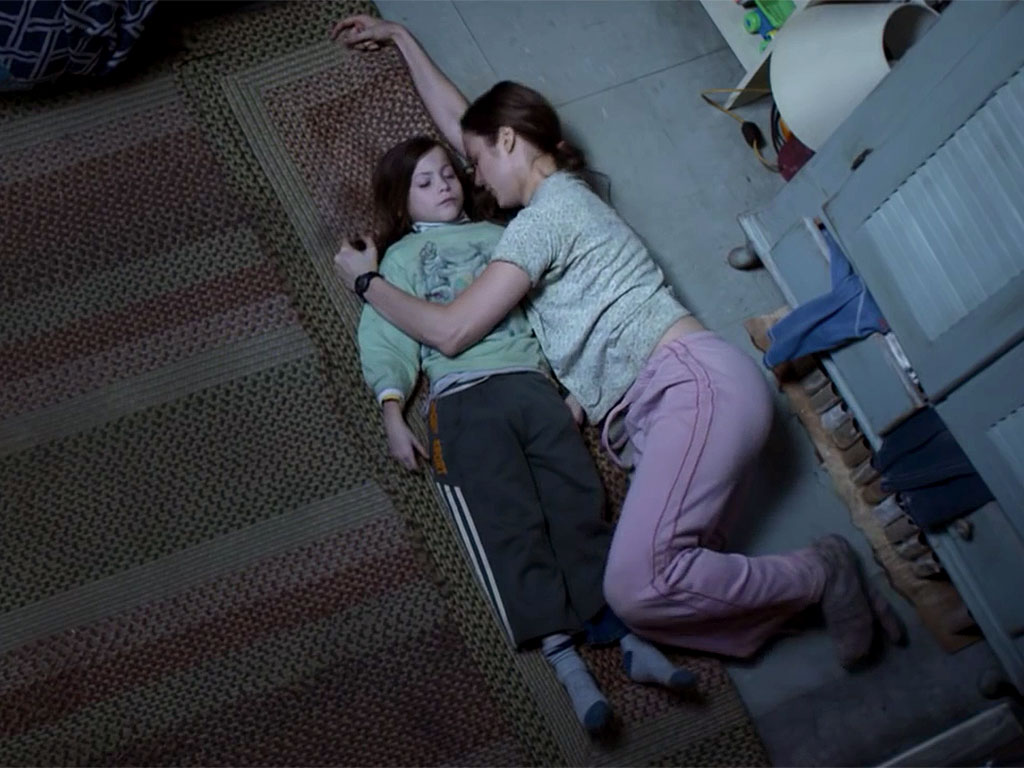
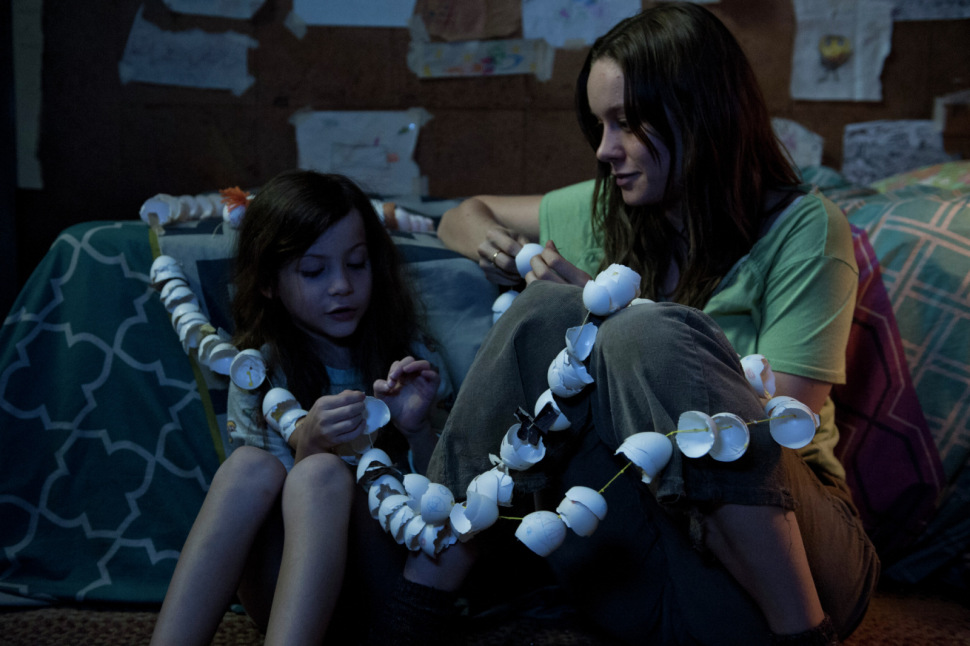
Room usurped my expectations, perhaps because it is in many ways unexpected. It is a film of two halves, each wholly different but equally significant. To reveal much more would be to spoil what is one of the most thought-provoking and subversively comforting films I’ve seen in a long time. Much of its value comes from Lenny Abrahamson’s curious interplay between naturalism and impressionism. While Room is unequivocally rooted in reality, Abrahamson’s intelligent decision to stick rigidly to Jack’s, the son’s, perspective, allows the Irish director the opportunity to delight in the mundane. Through the eyes of a brightly imaginative five-year old a blank, damp wall becomes a canvas of possibility, and Brie Larson’s mother becomes a benevolent deity. A single room is the entire mode of existence, and Larson’s mother constructs a native vocabulary to rationalise this conceit as something tangible to her infant child; to the extent that when she reveals that trees and leaves are not only a fiction off ‘TV’ – which acts as the portal to an apparently non-existent, illusory universe – but emblems of the actual world, Jack finds it incomprehensible. It’s a fascinating, disturbing notion, but one which is sustained remarkably throughout; it reveals the venerable wonder of our world without being preachy, or even overtly thematic. All big ideas and emotional resonances are effectually personal stimulations and projections rather than conscious narrative intentions, or at the very least it appears that way. People will feel very strongly about this film, and very differently, but they’ll at least feel.

Another benefit of restricting the viewpoint is the generation of palpable tension and breathless claustrophobia. Objects and character are framed uncomfortably close, with a sense of desolate unease colliding with abject beauty as he cuts from mouldy wallpaper to the condensation on their skylight – their solitary link to literally everything else, beholding not only the promise of freedom but actuality itself. Jack’s hiding in the wardrobe, peering through the cracks while we hear their captor’s carnal groans is conceivably more devastating than showing us his mother's rape. The violence is infrequent but abrupt and effective, as Jack’s infant confusion and terror mirrors our own through rapid-fire editing and uncompromising staging. The dynamic between triumph and horror is elaborate and continuous, but never jarring.


Full disclaimer; I’ve been ostensibly in love with Brie Larson ever since my 16-year old self delighted in Scott Pilgrim’s blend of comic-book slapstick and authentic teenage turbulence. Her send-up of the adolescent-romantic myth of the prototypical Dream Girl (or Manic Pixie Girl) – the surprisingly perpetual idea that there’s one beautiful outcast whose base prerogatives are to act quirkily and be attracted to the angsty boy equivalent which was explicitly confronted in last year’s Paper Towns - was touching, and her earthquake performance in Short Term 12, easily one of my favourite films of the decade so far, reinforced her position as a God of independent cinema. In Room she is awesome. Flitting from between despair, fear, vulnerability, reckless defiance and unperturbed bravery, without a whiff of melodrama or hysterics, she is a vessel we displace ourselves in, yet also a fully formed, achingly real character. Room is as much an experience as it a story, and it’s testament to her talent that she remains admirably understated despite moments of sentimentality. Her relationship with Jack is the best representation of her layered complexity, comprising her understandably primal compulsions of protectiveness and imperious affection, but also the brilliantly downplayed suggestions of matriarchal resentment, the persistent and lasting reminder of her agony.

Jacob Tremblay’s Jack is so convincing that part of me feels that he isn’t acting, that his position is one of sincerity. This is obviously untrue, but it’s indicative of how believable he is. For a child actor to play someone his own age whose physical and mental development has been indefinitely malformed is equivalent to Tom Hanks playing Forrest Gump as a five-year old; the fact that Tremblay comes across as naturalistic rather than hammy or kitsch completely defies logic. It doesn’t make sense how good he is. I’m prone to hyperbole, but I struggle to remember a better kid performance, with the exception of Quvenzhane Wallis in Beasts of the Southern Wild. He is as intricate and interesting as his mother, so twisted by his experience that he cannot be anything else. But then again this shouldn’t be a surprise. Room doesn’t restrain itself to arbitrary relationships or concepts at any point, and refuses to cast judgement. Its refined poise is all the more emotionally beguiling, intellectually challenging, and cinematically engaging. We take the story and almost unconsciously relate it to our own. Its plot is unambiguous and autonomous, but its implications for the audience are as expansive as Jack’s imagination.

It’s astonishing that a story as objectively small and self-contained as Room’s could prove so deeply fulfilling. This is not only a heartfelt exploration of trauma and its inscrutable psychological permanence, but an often difficult, finally uplifting realisation of the redemptive power of human intimacy, something infinitely relevant to our own experience.

Sunday, 20 December 2015

Star Wars: The Force Awakens Review


Star Wars isn’t so much a film series now as it is an ideology, a foundation of pop culture consciousness. It has invaded everything from Subway adverts to university courses. When people think of pop culture and its referential symbioses, they think of Star Wars. We generally are more likely to recognise a Han Solo one-liner than a couplet from Hamlet, and we will identify John Williams’s iconic ‘Imperial March’ score over a Beethoven symphony. The Force Awakens isn’t just the biggest film release of the year; it’s a titanic incident in the still fledgling history of popular entertainment. There are anecdotes of cheers, laughter and audible anguish accompanying many screenings, purely based on the associative memories of joy and obsession billions share for the original trilogy, only intensified by the desperation for something great again after the universally derided prequels. It’s easy to forget that there’s a film embedded in the event.

In my opinion there are two reasons why the original trilogy is so popular; and in juxtaposition why the prequels failed so spectacularly. Firstly, Star Wars isn’t Science-Fiction. Lucas was inspired by the exhilarating pulpishness of John Ford Westerns and Akira Kurosawa Samurai epics; A New Hope’s plot is explicitly ripped from Kurosawa’s The Hidden Fortress, while the series’s fetishism for desolate desert planets evokes homage to Western sensibilities. Lucas created an old-fashioned adventure film that merely happened to be set in space, discarding the political and philosophical conceptualism that gentrified 60s and 70s Science Fiction in the name of fun. The Phantom Menace and its successors strived to balance the political sophistication of Huxley or Dick with the inoffensive fantasy of the originals and they purported a clunky, barely watchable mess. Secondly, the original trilogy is almost indomitably bland; which I mean in the nicest possible way. It’s unapologetically black-and-white; there are the good guys, and there are the bad guys; there’s no space for moral ambiguity because that would, in all sincerity, undermine the point of Star Wars. My dad always says that he dislikes stories which inhabit ethical grey areas because he enjoys knowing categorically who to root for. Moral ambiguity makes us question character motivations which subsequently reminds us of reality and the seemingly inconsequential but morally difficult decisions and interactions we confront daily. Star Wars is Star Wars because it’s comfortably unreality, carrying the abject certainty that accompanies the best escapist fantasy. The prequels, again, aimed for narrative intricacy and character depth and, again, fell well short.


The Force Awakens, for better and worse, returns the series to its simplistic origins. Oscar Isaac’s “best damn pilot in the galaxy” Poe Dameron is basically just the damn best pilot in the galaxy; John Boyega’s Finn is a renounced Stormtrooper – which would suggest some form of spiritual struggle – but is unequivocally a good guy; Daisy Ridley’s Rey is the prototypical incorruptible paragon of decency, even more so than Princess Leia. There’s little to sink your teeth into, but that’d be missing the point. For all they’re underdeveloped they’re eminently likable and charming, arguably even more so than the original trio. They share an authentic chemistry, with plenty of emotional involvement and humour in the writing to support them. Equally plain is the light/dark bipolarity. The Rebel Alliance is expectedly virtuous, while the First Order are even more determinedly evil than the Empire. Conglomerating fascistic symbolism and rhetoric (terms like “non-conformity” are routinely tossed around) from across various actual ideologues and dictatorships, Abrams implicitly reveals that these guys aren’t especially nice. One scene featuring a speech from Domnhall Gleeson’s vehement General is so brazenly emblematic of a Nazi hate-rally that the Third Reich should find it libellous for copyright infringement. But hey it works, you really do hate them.

Abrams is the major success story, and his choice of using film over digital is vindicated. Sweeping vistas and gorgeous locations take the occasional front-seat, but his visceral physicality is observable throughout, whether it’s a muddy gunfight among ancient ruins prompted by penetrating close-ups or roller-coaster tracking shots, or in the venerating framing of old heroes from previous films, he masterfully dictates both action and exposition. The battle scenes are thrilling and immersive while the quiet moments are dramatic and absorbing; the mark of a truly excellent blockbuster director is one who finds as much pleasure in working the dialogue-heavy instances as the explosion-heavy ones, and Abrams absolutely nails it. This is furiously entertaining filmmaking; fast, funny and harmoniously self-defined, with just the right element of tragedy to add imperative and threat to let us know that while this is a fantasy, it’s not an idealism. There is darkness present, and Abrams and co. make one smart, devastating plot twist that will incite fury in some fans, but will prove essential to the universe’s natural progression in the long-term.

What is curious though, and this is where I contradict myself, is that Adam Driver’s Kylo Ren is psychologically complex and morally confused – something at odds with my Star Wars theory – and yet is easily the best thing in the film. He is the inversion of Luke Skywalker, confessing how tempted he is by the seductiveness of the Light, and how desperate he is to renounce himself but he simply can’t. Driver, with his deadpan expressions of exhaustion and turbulence, infuses Ren with so much contempt, petulance and sympathy that he’s beyond compelling. He’s emphatically the best villain in the canon.


Its biggest drawback, however, is the ghost of its legacy; it ostensibly feels obligated to propagate as much fan service as possible, whether in contrived passing references, or in the entire third act. Remaining as spoiler-free as possible, the plot is essentially a slightly tweaked A New Hope, which is incredibly disappointing. This was an opportunity to return to the aesthetics of pure Star Wars while boldly adventuring into new narrative terrain. It is also, fundamentally, shallow. A group of friends get together and stop the vaguely motiveless bad guys, that’s it. There’s essentially nothing beneath the surface. But I’m not a Star Wars fan, and maybe critically exploring the structural dynamics of The Force Awakens is arbitrary. JJ Abrams is a self-confessed Star Wars nut, and this is a film carefully assembled to appeal to Star Wars nuts. It’s built in bricks of nostalgia and devotion, and it succeeds. Pretentious arthouse critics and fifty year old nerds alike are crying their eyes out. If it’s making this many people happy, emotionally fulfilled and united and integrated, is critical appraisal necessary or just superfluous? To put it another way, is The Force Awakens actually a film or a collective caveat, a glorious return to unfiltered escapism for the multitude?


2015 has been a year of global despair and suspicion, but The Force Awakens ends us on a high note. It may not be a great film, but it’s a timely reminder that pop culture, for all its critics, is our one great unifier. Regardless of creed or doctrine, we all share the love of story.

Sunday, 13 December 2015

Best Albums & Songs of 2015

ALBUMS

25. No Closer to Heaven – The Wonder Years

Middling Wonder Years No Closer to Heaven may be, but even at their most average they’re more uplifting, raucous and reflective than a dozen other pop-punk bands collectively.


24. Jenny Death – Death Grips

A seamless, immaculately collated fusion of Death Grips’s trademark seething Hip-Hop beats and the novelty of raging Hardcore and Post-Punk descants.


23. The Most Lamentable Tragedy – Titus Andronicus

A '28 song Rock opera' sounds pitifully pretentious, and at times Most Lamentable titters on the edge of kitsch, but when it works it makes you want to punch the air and scream 'FUCK YEAH' like the biggest wanker imaginable.


22. White Men Are Black Men Too – Young Fathers

These Edinburgh, globally inspired Hip-Hop nerds returned with their second LP; cleaner, more refined, but also their most ambitious work to date.


21. Have You in my Wilderness – Julia Holter

Julia Holter shifts from Ambience to Pop in stunning fashion, her graceful harmonies and intricate, elusive lyrics comprise a remarkable entry into the mainstream.


20. I Love You Honeybear – Father John Misty

Easily, and wrongly, discarded as Hipster-Folk, this is intelligently written, beautifully executed Country with a great deal to say.


19. Wildheart – Miguel

R&B's most endearing sexfiend concocts a Pop classic effusing 80s guitars, mellifluous synths and typically gorgeous vocals.


18. Poison Season – Destroyer

Destroyer are notoriously equivocal, drowning in vague, buoyant sentimentality, intangible sadness and interesting instrumentation, and Poison Season is no exception. At times achingly wonderful.


17. No Cities to Love – Sleater Kinney

These Punk goddesses are truly back with a bang; not only one of the most banging records of 2015, but importantly also one of the most fun.


16. Garden of Delete – Oneohtrix Point Never

This is a Goth album in the world of Electronica, which naturally embraces furious synths and violent kickdrums, but also tender vulnerability.


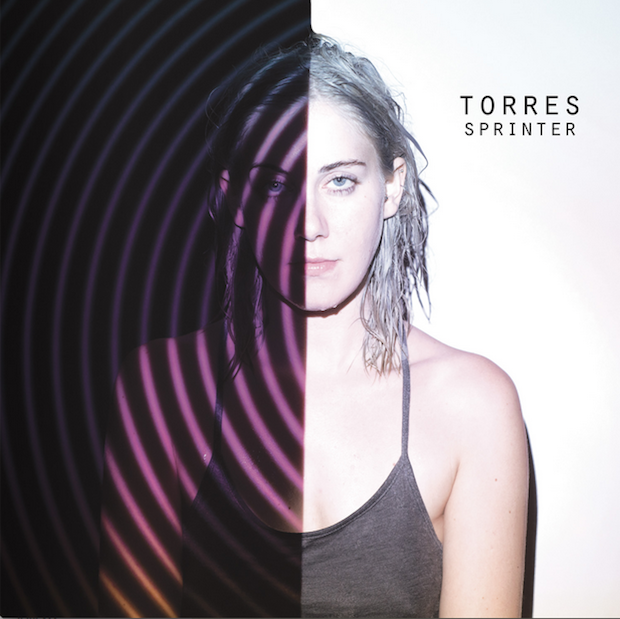
15. Sprinter – Torres

One of a surprising number of female-led Indie-Rock records on this list, Sprinter evinces admirably aggressive Rock bangers supplemented by a claying, heart-felt sincerity.


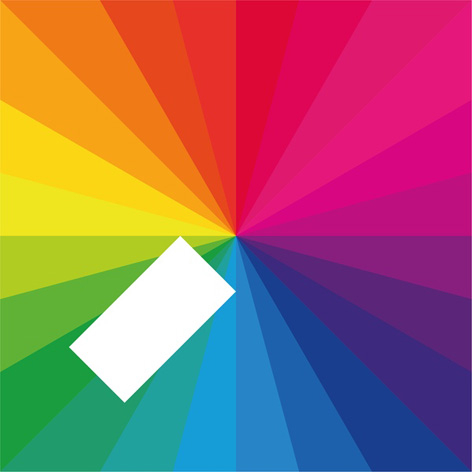
14. In Colour – Jamie xx

The Deep-House dynamo's debut LP is splendid, bubbling over with unifying Summer anthems and tender chilled Garage.


13. My Love is Cool – Wolf Alice

A concoction of melancholic 90s Alternative sensibilities and an alarmingly life-affirming sentiment, My Love is Cool is a simply divine contradiction to experience.


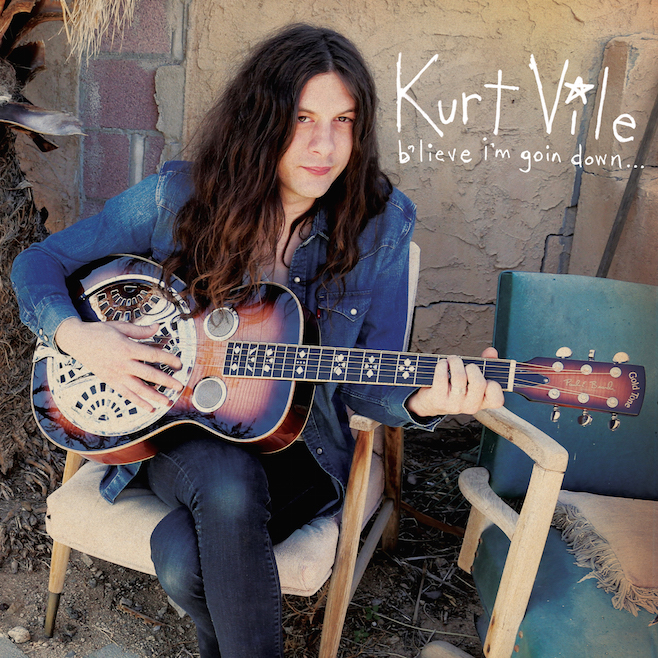
12. B’lieve I’m Going Down – Kurt Vile

The king of stoner-folk has returned, with an existential meditation as entertaining as it is profound.


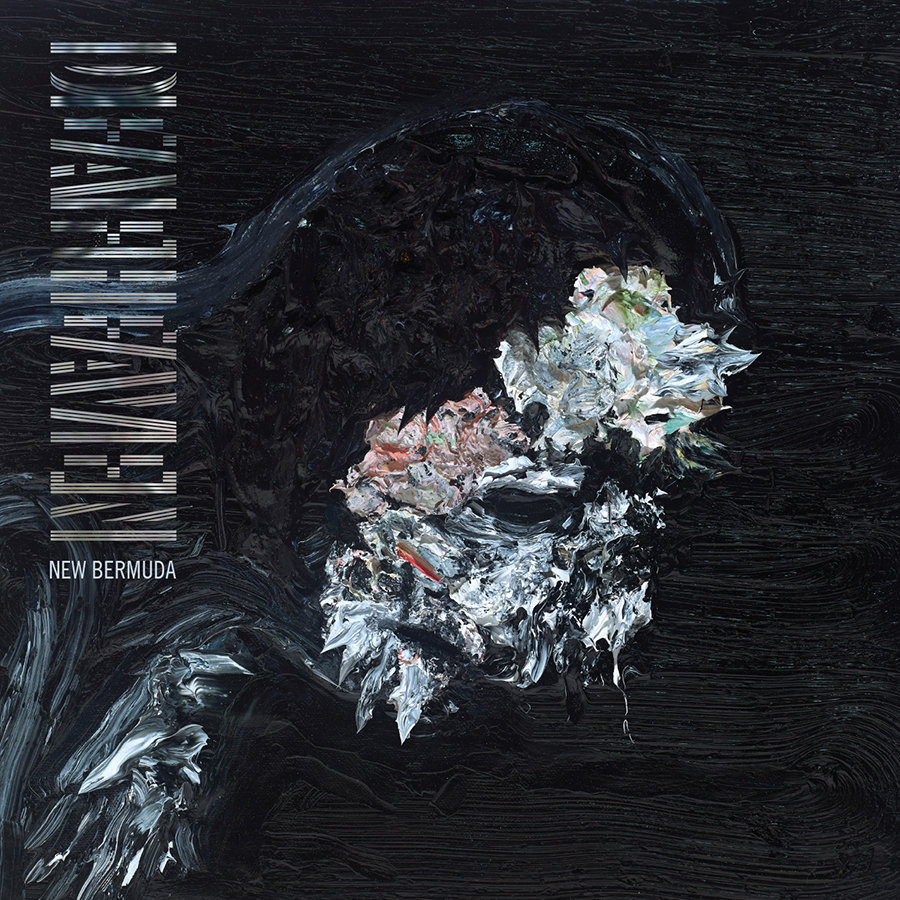
11. New Bermuda – Deafhaven

I never considered myself remotely into Metal before Deafhaven’s Sunbather in 2013, and New Bermuda just as good. Intricate, devastating, and at times discordantly beautiful.


10. Divers – Joanna Newsom

Joanna is arguably one of the most brilliant singer-songwriters of her generation, and Divers is conceivably her best work. Pristine arrangements and oblique poetry par for the course.


9. Currents – Tame Impala

The sonic-scapes from Tame Impala’s third album are loud, trippy and honeyed, with some endearing ideas about identity and the complexity of human interaction.


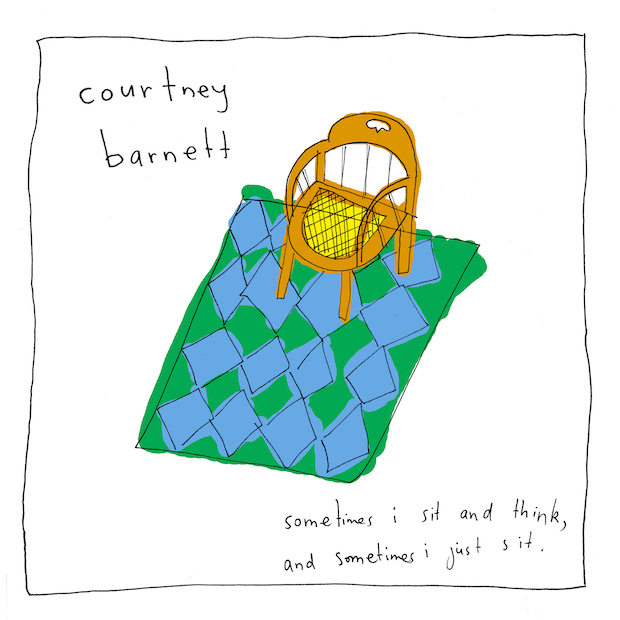
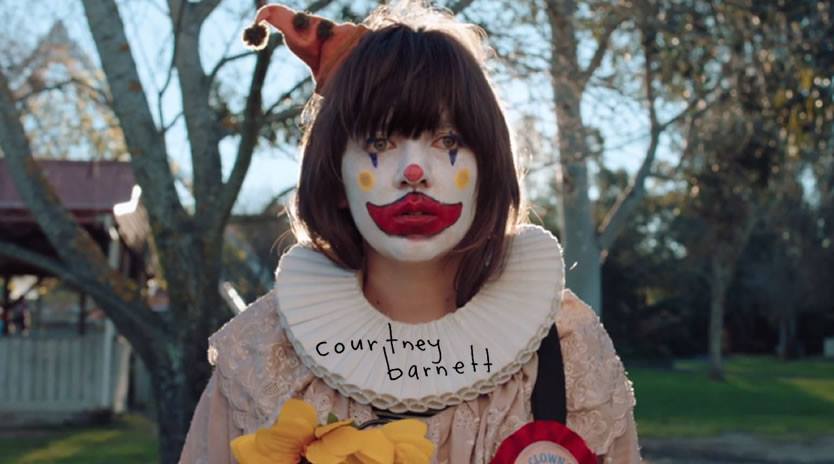
8. Sometimes I Sit and Think, and Sometimes I Just Sit – Courtney Barnett

Shifting herself up a gear, Barnett swaps stoner Dream-Pop for scintillating Folk-Punk and, well, it's really bloody good.


7. Carrie & Lowell – Sufjan Stevens

Sufjan's dedication to his eponymous parents is lathered in nostalgia, regret, longing, fondness, pain, and it is achingly beautiful.


6. After – Lady Lamb the Beekeeper

An album firing on all cylinders, confronting love both requited and unrequited, heartbreak, socio-economics, and family feuds; it is a palpable, compelling life captured in catchy choruses and pleasing melodies.


5. Summertime 06 – Vince Staples

Another of the 'debut album' crowd, Staple's impeccable flow and sultry beats are only the foundation of an absolutely indignant, terrifyingly pertinent indictment of US policing.


4. Painted Shut – Hop Along

This is Indie Rock at its most earnest, with lo-fi guitars, gloriously flawed vocals, and a breathtaking candour equalled by an incredible songwriting talent.


3. Art Angels – Grimes

Indie darling no more, Grimes brings her earnest Dream-Pop A game so intensively that she harmoniously marries feminist anthems with dancefloor fillers.


2. Harmlessness – The World is a Beautiful Place and I’m No Longer Afraid to Die

It’s easy to forget that Emo stands for Emotion; but these guys don’t. An honestly incredible document about coping with depression and fighting with everything you have to resurface above the vacuum, it tears you down and rebuilds you up again. Awe-inspiring, and in any other year would top everything else.


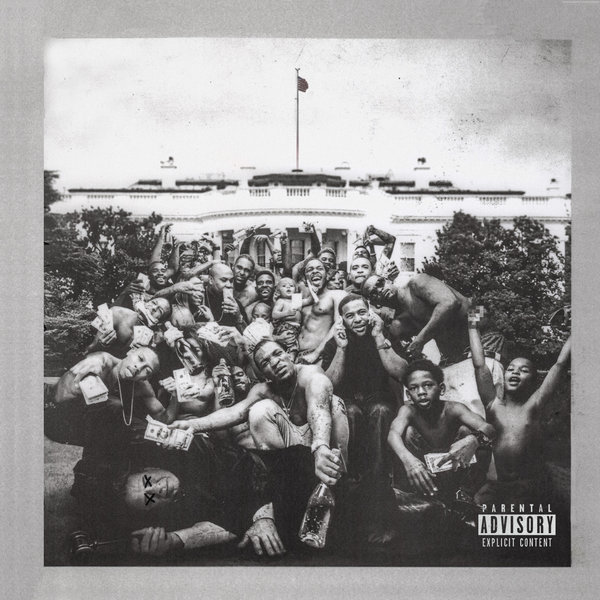
1.       To Pimp a Butterfly – Kendrick Lamar


But this isn’t any other year. It was never going to be anything else. Nothing comes close. This year, or pretty much any other year. My favourite Hip-Hop album, and easily one of the greatest albums of all-time.


SONGS

50. All Day - Kanye West

49. What Do You Mean - Justin Bieber

48. West Coast - FIDLAR

47. Something - Julien Baker

46. Hey Darling - Sleater Kinney


45. Sunday Candy - Donnie Trumpet

44. Air - Waxahatchee

43. Bank Rolls Remix - Tate Kobang

42. Cops Don't Care Pt. II - Fred Thomas

41. Energy - Drake 


40. Waitress - Hop Along

39. Haircuts for Everybody - The World is a Beautiful Place and I'm No Longer Afraid to Die

38. Can't Keep Checking my Phone - Unknown Mortal Orchestra

37. What's Normal Anyway - Miguel

36. No Shade on the Cross - Sufjan Stevens


35. Here - Alessia

34. Dimed Out - Titus Andronicus

33. Seesaw - Jamie xx

32. Luna - Deafhaven

31. Miniskirt - Braids


30. Yes I'm Changing - Tame Impala

29. Florence - Loyle Carner

28. Dream Lover - Destroyer

27. Sticky Drama - Oneohtrix Point Never

26. Can't Feel my Face - The Weeknd


25. Realiti - Grimes

24. Sprinter - Torres

23. Beyond Alive - Death Grips

22. Go - The Chemical Brothers

21. On the Regular - Shamir


20. Shame - Young Fathers

19. Lisbon - Wolf Alice

18. Regeneration - INHEAVEN

17. Bored in the USA - Father John Misty

16. Time, as a Symptom - Joanna Newsom


15. Pretty Pimpin - Kurt Vile

14. 4 Degrees - Anohni

13. Should Have Known Better - Sufjan Stevens

12. WTF - Missy Elliot

11. Milk Duds - Lady Lamb the Beekeeper


10. Hotline Bling - Drake


9. Well Dressed - Hop Along


8. Norf Norf - Vince Staples


7. Venus Fly - Grimes


6. Downtown - Majical Cloudz


5. Wipe that Shit-Eating Grin Off Your Punchable Face - The Smith Street Band


4. The Blacker the Berry - Kendrick Lamar


3. January 10th 2014 - The World is a Beautiful Place and I’m No Longer Afraid to Die


2. Pedestrian at Best - Courtney Barnett


1. King Kunta - Kendrick Lamar